Avoid Rubbish Delays Near Hampstead Station
Posted on 30/06/2026
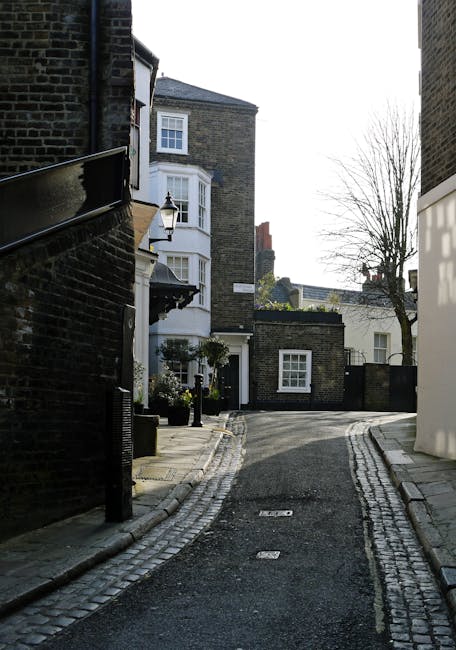
Avoid Rubbish Delays Near Hampstead Station: A Practical Local Guide
If you have ever tried to move a bulky sofa, clear a flat after a tenancy, or shift renovation waste near a busy station, you will know how quickly a small delay becomes a real headache. Around Hampstead Station, timing matters. Pavements can be tight, access can be awkward, and one missed slot can throw the whole day off. This guide explains how to avoid rubbish delays near Hampstead Station, what tends to cause them, and the simple steps that keep everything moving. It is written for people who want a straightforward result, not a theoretical lecture. Because, let's face it, rubbish waiting around is never anyone's favourite part of the week.
Whether you are arranging a home clearance, managing office waste, or dealing with builders' debris, the main goal is the same: get the waste gone cleanly, safely, and on time. Below you will find a clear local strategy, plus practical checks that can save you from unnecessary waiting, extra handling, or a second visit. If you are planning a broader clearance, it can also help to look at the wider services overview or the more specific rubbish clearance in Hampstead options before you book anything.
Why Avoid Rubbish Delays Near Hampstead Station Matters
Near a station, rubbish delays tend to snowball. One missed collection window can mean waste sitting outside longer than planned, obstructing foot traffic, creating complaints from neighbours, or forcing you to reschedule contractors. Around Hampstead Station, the practical problem is not just the waste itself; it is the setting. You are dealing with a lively local area where people come and go all day, often with limited kerb space and very little patience for clutter.
That matters for several reasons. First, it affects safety. Bags, boxes, and broken items left near busy routes can be awkward for pedestrians and awkward for you if they need to be moved again. Second, it affects presentation. If you are selling a property, preparing a flat for let, or opening an office, visible rubbish sends the wrong signal fast. Third, delays can become more expensive, especially if a vehicle cannot stop where expected or the team needs extra time to sort access.
There is also the simple stress factor. Most people do not want a half-finished clearance hanging over them for another day. It is one of those jobs that feels small until it is in the way. If your schedule is already tight, a delayed collection near Hampstead Station can disrupt moving plans, tradespeople, or even an evening booking at one of the local venues. For people planning a larger clear-out, the more tailored pages such as house clearance in Hampstead, office clearance, and builders waste disposal in Hampstead are often useful starting points.
How Avoid Rubbish Delays Near Hampstead Station Works
The short version? You reduce friction before the collection starts. Delays usually happen because of one of four things: access problems, unclear waste types, poor timing, or lack of preparation. The fix is to line up the basics before the team arrives. That means knowing what needs removing, where it will be left, how easy it is to reach, and whether any item needs special handling.
In practical terms, a smooth clearance near the station usually follows a simple pattern:
- You identify the waste and group similar items together.
- You check access routes, stairways, parking options, and any restrictions.
- You confirm the collection time and make sure someone is available if needed.
- You separate items that may need recycling, dismantling, or extra care.
- You leave the waste in the agreed spot so the team can load quickly.
That last point sounds obvious, but it is where many jobs go sideways. If waste is spread across different rooms, stacked behind a locked door, or left where a vehicle cannot reach it, the team has to spend time sorting instead of loading. One extra lift here, one awkward carry there, and the schedule begins to slip. Not dramatic. Just enough to be annoying.
For local waste support and broader disposal planning, you may also want to read about waste removal in Hampstead and the company's approach to recycling and sustainability. That is especially useful if you are trying to keep the job efficient without simply throwing everything into one pile.
Key Benefits and Practical Advantages
When you avoid rubbish delays near Hampstead Station properly, the benefits are not abstract. They show up in your day. The most obvious one is time saved. You are not waiting around for a second visit, chasing a missed slot, or moving the same bulky item twice. That alone can be worth a lot, especially on a day when you are already juggling a lot of moving parts.
There is also a reputational benefit. Landlords, agents, business owners, and homeowners all benefit from looking organised. If the clearance happens neatly, the whole property feels calmer. You can almost hear the difference: no dragging bags down the stairs at the wrong moment, no awkward "we'll just leave this here for now," no last-minute panic when someone realises the van cannot stop where expected.
- Fewer delays: better planning means less waiting and fewer reschedules.
- Safer access: clear routes reduce trip hazards and carrying risks.
- Cleaner presentation: useful for sales, lettings, refurbishments, and businesses.
- Better sorting: recyclables and reusable items can be handled properly.
- Less disruption: neighbours, staff, and visitors are less inconvenienced.
Another practical upside is that a well-organised job often makes pricing clearer. If the waste is accessible and the volume is easy to assess, you are less likely to face awkward surprises later. If you are comparing options, it is sensible to review pricing and quotes alongside the exact type of clearance you need.
Who This Is For and When It Makes Sense
This is for anyone trying to move waste efficiently in a busy part of Hampstead. Homeowners preparing a property for sale, tenants at the end of a lease, landlords managing changeovers, local businesses clearing stock rooms, and contractors dealing with renovation debris can all benefit from a more organised approach.
If you are close to Hampstead Station, the need is even stronger because of the local rhythm. Morning commuter traffic, school runs, visitors, and general footfall can all make access more awkward than it looks on a map. What feels like a simple curbside collection elsewhere can become a careful little logistical puzzle here.
It also makes sense if you are dealing with:
- bulky furniture from a flat or maisonette
- mixed household rubbish after a move
- office clear-out items such as desks, chairs, and packaging
- garden waste after seasonal work
- builders' waste after a kitchen, bathroom, or refurbishment project
If your situation is more specific, there are relevant supporting pages such as garden waste removal and the local guide for NW3 estate waste removal and recycling tips. For many readers, those pages help narrow down the right approach before a booking is even made.
Step-by-Step Guidance
Here is the practical part. If you want to avoid rubbish delays near Hampstead Station, this is the sequence that tends to work best.
- List everything that needs removing. Be honest and specific. "A few bits" often turns into three chairs, two lamps, a broken bed frame, and a surprising amount of packaging.
- Sort items by type. Keep furniture, bagged waste, metal, wood, green waste, and electrical items separate where possible.
- Check access before the day. Look at stairs, narrow halls, shared entrances, and any parking or waiting limitations close to the station.
- Choose a sensible time window. Early collection often helps, but the real point is choosing a slot when access is least likely to be blocked.
- Make the waste easy to reach. Put it in one place, preferably near the exit if that is safe and permitted.
- Flag awkward items in advance. Anything heavy, sharp, fragile, or dirty should be mentioned early.
- Leave a clear route. A tidy hallway can save more time than people expect. It really does.
- Confirm the plan again if needed. If something changes, tell the team before arrival rather than after.
A useful habit is to do a final five-minute walk-through just before collection. Check the doorway, stairwell, storage cupboard, and any item that might have been missed. Half the "delay" stories we hear are really just cases where one object was hiding in plain sight. Annoying, yes. But fixable.
Expert Tips for Better Results
Here is where a little local experience helps. In and around Hampstead Station, the best results usually come from reducing unknowns. The fewer unknowns, the fewer delays. Simple, but true.
Tip 1: Don't leave it to the last minute. Same-day organisation sounds efficient, but it is often the moment when access issues, forgotten items, and key handover problems show up all at once. If you can prepare the waste the day before, do that.
Tip 2: Photograph awkward loads. Not for drama. For clarity. A quick photo can help communicate size, access constraints, or whether an item needs dismantling. It saves that slightly awkward back-and-forth where everyone is guessing.
Tip 3: Keep keyholders in the loop. If a tenant, porter, neighbour, or office manager needs to open a gate or side entrance, confirm that early. Small access issues often cause the biggest delays.
Tip 4: Plan for mixed waste. Mixed loads are common, but they may need sorting on site. If you already know what is recyclable and what is not, the job usually moves faster.
Tip 5: Think about noise and timing. In a residential area, early morning can be ideal for access but not always ideal for everyone's nerves. To be fair, nobody enjoys the sound of furniture being manoeuvred down stairs at 7:30 a.m. Balance matters.
For readers interested in the wider local context, the article on Camden Council rules for rubbish disposal in Hampstead is a sensible companion piece. And if your clearance is tied to a larger move or property project, the pages on critical insights for Hampstead real estate buyers and real estate selling in Hampstead can help you plan around deadlines more intelligently.
Common Mistakes to Avoid
Most rubbish delays near Hampstead Station come from avoidable mistakes. The good news is that once you know them, they are fairly easy to dodge.
- Assuming access will be fine. Narrow streets and busy pavements can make a big difference.
- Mixing everything together. It slows down loading and can complicate recycling.
- Forgetting bulky items upstairs. The item in the loft, back room, or cellar is the one that causes trouble later.
- Not mentioning parking constraints. A vehicle that cannot stop safely creates instant delay.
- Leaving waste spread out. Three different rooms means three times the walking.
- Underestimating time for dismantling. Wardrobes and bed frames rarely leave the building in one cheerful piece.
Another common issue is not checking which items need special handling. Mattresses, electrical goods, heavy rubble, and some commercial materials can require a more specific plan. If you are unsure, ask before collection day. It saves trouble later, and saves that tired, end-of-day sigh we all know too well.
Tools, Resources and Recommendations
You do not need a complicated toolkit to avoid delays. Mostly, you need organisation. But a few basic things help a lot.
- Labels or marker tape: useful for marking "keep," "recycle," and "remove" piles.
- Strong bags and boxes: especially if you are dealing with lighter loose waste.
- Measuring tape: helpful for checking large furniture or access points.
- Phone camera: perfect for recording awkward items or stairs.
- Door wedge or temporary open hold: only where safe and appropriate, to keep routes clear during loading.
From a service-planning perspective, the most useful resources are the pages that match the job you actually have. If the space is a flat, look at house clearance Hampstead. If it is a work premises, check office clearance Hampstead. If it is building debris, go straight to builders waste disposal Hampstead. Matching the job to the right service is one of the simplest ways to prevent delay.
If you want a broader sense of the company's process and standards, about us and insurance and safety are worth reading too. They help build confidence before you book, which is no bad thing when you are handing over access to a property.
Law, Compliance, Standards, or Best Practice
Waste clearance in the UK should be handled responsibly, and that includes making sure waste is transferred only to appropriate facilities and handled by people who understand the practical and legal expectations around it. You do not need to become an expert in waste law to arrange a collection, but you should expect proper handling, sensible sorting, and care with restricted items.
In everyday terms, good practice means:
- keeping waste out of public walkways as much as possible
- avoiding unsafe lifting or blocking access routes
- sorting recyclables where practical
- being clear about any hazardous or awkward items in advance
- using a service that can explain how waste will be managed
If you are dealing with a property in or around Camden, it is also sensible to remain aware of local disposal expectations and time constraints. The exact rules can vary depending on the situation, and the safest approach is to follow the guidance that applies to your property type and collection method. When in doubt, ask rather than guess. Guessing is how delays become disputes.
For a more formal understanding of terms and service conditions, the pages on terms and conditions, payment and security, privacy policy, and cookie policy are useful references. They do not remove the need for common sense, of course, but they do help set expectations properly.
Options, Methods, or Comparison Table
Different waste jobs call for different approaches. The table below gives a simple comparison of the most common ways people try to handle rubbish near Hampstead Station.
| Method | Best for | Main benefit | Main drawback |
|---|---|---|---|
| Self-moving to disposal points | Very small volumes | Feels straightforward at first | Time-consuming, physically awkward, and not ideal for bulky items |
| Planned scheduled clearance | Homes, offices, and mixed waste | Good balance of cost, speed, and organisation | Needs advance preparation and clear access |
| Urgent same-day clearance | Last-minute moves or unexpected waste | Fast resolution | Less flexible if access or sorting is poor |
| Specialist builders' clearance | Renovation debris and heavier waste | Better suited to rubble, timber, and site waste | Requires accurate job details upfront |
In practice, most people benefit from the second option. It is the least glamorous perhaps, but it is often the one that runs smoothly. If you are unsure which route fits your situation, the more general your rubbish removal needs page is a good place to start matching the job to the service.
Case Study or Real-World Example
Here is a realistic example from the sort of job people often face near Hampstead Station.
A landlord needed a flat cleared between tenancies. The property was close enough to the station that access was simple in theory, but in reality the entrance faced a narrow road and shared pavement space. The first plan was to leave several bags in the hallway and deal with the rest "on the day." That would almost certainly have caused delay, because the route was not clear and the larger furniture pieces were still upstairs.
Instead, the waste was sorted the evening before. The team knew which items were going, which furniture needed dismantling, and which pieces had to be carried carefully because of the stair angle. The landlord also confirmed a short access window, and the holding point for the waste was made as close to the exit as possible without blocking the corridor. Result? No backtracking, no extra lifting rounds, and no half-finished pile waiting outside at the end of the morning.
Nothing magical happened. No clever trick. Just preparation and communication. That is usually the truth of it. The best clearances are rarely dramatic. They just quietly go right.
This kind of planning matters even more for people dealing with changes linked to moving, selling, or local events. If you are also preparing a gathering, the article on top Hampstead venues for celebrations gives a nice sense of how local timing can shape the day. And for those who enjoy understanding the area a bit more deeply, from parks to pubs in Hampstead is a genuinely pleasant read.
Practical Checklist
Use this checklist before your rubbish collection near Hampstead Station.
- List every item that needs removing.
- Separate furniture, bagged waste, recyclables, and special items.
- Measure any large or awkward objects if needed.
- Check stairways, halls, entrances, and outside access.
- Confirm whether parking or stopping arrangements may affect timing.
- Tell the team about anything heavy, fragile, dirty, or difficult to move.
- Clear the route from the waste to the exit.
- Keep keys, permissions, or access codes ready.
- Make sure someone is available if a decision may be needed on site.
- Review the relevant service page before booking if the waste is specialised.
Quick takeaway: if you prepare the access, separate the waste, and confirm the details in advance, you reduce most of the delays people experience near the station. It sounds simple because, honestly, it is. The trick is doing the simple things well.
Get a free quote today and see how much you can save.
Conclusion
To avoid rubbish delays near Hampstead Station, think less about speed in the abstract and more about control. Clear access, accurate job details, proper sorting, and realistic timing do most of the heavy lifting. Once those are in place, the whole process becomes calmer, cleaner, and far less likely to drag on.
If you are managing a move, a refurb, a business clear-out, or a simple household reset, the goal is not just to remove waste. It is to remove friction. That is what turns a messy day into a manageable one. And near a busy station, that difference really does matter. One tidy collection can make the rest of the week feel easier.
Take a breath, get the details in order, and let the job be straightforward for once. Nice and simple, if possible.

 Tipper Van - Rubbish Removal Prices in Hampstead, NW6
 Luton Van -