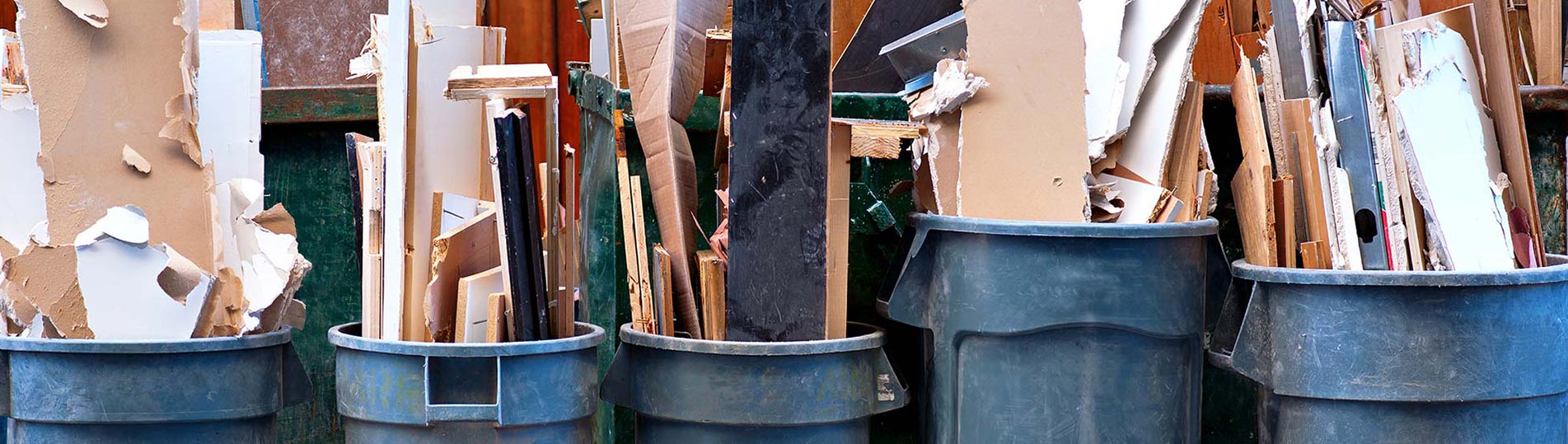
Book Rubbish Clearance for Flask Walk and Well Road
Posted on 06/06/2026
If you need to book rubbish clearance for Flask Walk and Well Road, you are probably after something simple: a tidy, reliable service that clears waste without turning your day upside down. Fair enough. Whether you are dealing with a flat refurbishment, a house clear-out, old furniture, or garden waste after a weekend of jobs you meant to finish months ago, the right clearance service should make the whole thing feel easier, not more complicated.
Flask Walk and Well Road sit in one of Hampstead's more characterful pockets, where homes, access routes, parking, and neighbour considerations all matter. That means rubbish clearance is not just about lifting bags into a truck. It is about timing, discretion, safe loading, and choosing a service that understands local conditions. This guide explains how the process works, what to expect, how to avoid common mistakes, and how to choose the most practical option for your property.
Along the way, you will also find tips on pricing, planning, compliance, and the small details that make a clearance go smoothly. If you are comparing options, a quick look at the full services overview can help you see how different clearance needs are usually handled.

Why Book Rubbish Clearance for Flask Walk and Well Road Matters
At first glance, rubbish clearance can seem straightforward. A few items go out, the space is cleared, job done. In practice, though, properties around Flask Walk and Well Road often come with the sort of everyday complications that make DIY disposal less convenient than it sounds. Narrow access, shared entrances, limited parking, awkward staircases, and the general reality of busy Hampstead streets can all get in the way.
That is where a proper clearance service earns its keep. It helps you avoid multiple trips, reduce lifting risk, and keep waste moving in a controlled, compliant way. It also matters because the wrong approach can leave waste sitting around for longer than you planned. And let's face it, once a hallway or front garden starts filling up, the whole place feels smaller and more stressful.
For local residents, landlords, agents, tradespeople, and busy homeowners, clearance is often part of a wider chain of events. A move, a renovation, a sale, a new tenant, or the end of a garden project. In that sense, rubbish removal is rarely the main event; it is the thing that gets everything else back on track.
People living nearby also tend to value services that are considerate. A calm, tidy collection matters in residential streets. Nobody wants unnecessary noise, blocked access, or waste left where it can cause a nuisance. That is especially true in areas where neighbourly goodwill matters and everyone notices everything. You know how it is in London.
If you want a broader look at how this service fits into everyday Hampstead life, the local perspective in this Hampstead living guide gives useful context. It is a small but relevant reminder that clearance is not happening in a vacuum; it is happening in a real place, with real constraints.
How Book Rubbish Clearance for Flask Walk and Well Road Works
The process is usually more flexible than people expect. A good provider will start by understanding what needs removing, where it is located, and how much labour will be involved. That could mean anything from a single bulky item to a full property clearance. If you are clearing mixed waste, it helps to say so upfront. It saves time later.
In most cases, the workflow looks something like this:
- Initial enquiry. You describe the waste, the property type, and the access conditions.
- Pricing discussion. The provider may base the quote on volume, item type, labour, or a combination of these.
- Collection booking. A time is agreed that works for your schedule and, ideally, your neighbours too.
- On-site assessment. The team confirms the load, checks access, and notes any awkward or heavy items.
- Removal and loading. Waste is lifted, sorted if needed, and taken away safely.
- Responsible disposal. Reusable and recyclable materials are separated where possible, and remaining waste is handled properly.
The key point is that rubbish clearance is a service, not just transport. The lifting, sorting, route planning, and disposal choices all matter. For larger jobs, such as after a refurbishment, you may want to consider a specialist route like builders waste disposal in Hampstead, especially if the material includes rubble, timber offcuts, plasterboard, or packaging.
If you are arranging several types of waste at once, a broader option such as waste removal in Hampstead can be more efficient than booking multiple separate pickups. That is usually the cleaner, less faffy route.
Key Benefits and Practical Advantages
People often book rubbish clearance because they are short on time. But the benefits go beyond convenience. A good clearance service can reduce risk, protect the property, and make the whole project feel manageable.
- Less lifting and strain. Heavy furniture, broken appliances, and awkward junk are safer when handled by people used to moving them.
- Faster turnaround. What might take you a whole weekend can often be cleared much more quickly.
- Cleaner presentation. This matters if you are selling, letting, renovating, or preparing for visitors.
- Better sorting of waste. Reusable and recyclable materials are easier to separate when handled by an organised team.
- More predictable costs. A structured quote can be easier to manage than repeated vehicle hire, fuel, and disposal runs.
- Less disruption to neighbours. One efficient visit is usually better than several stop-start attempts.
There is also a subtle psychological benefit people underestimate. A cleared space tends to change how you use it. Suddenly the spare room is usable again. The hallway feels wider. The garden starts looking like a garden, not a storage zone. Small thing, big difference.
For people handling property transitions, this can be especially helpful. If you are preparing a home for market, the presentation side matters quite a bit, and the local articles on selling property in Hampstead and buying in Hampstead both underline how much first impressions can influence decisions. Clearance is part of that picture, even if it is not the glamorous part.
Who This Is For and When It Makes Sense
Rubbish clearance near Flask Walk and Well Road makes sense for a wide range of people. Some need it once in a blue moon. Others use it regularly as part of property or business maintenance.
It is a good fit if you are:
- moving home or downsizing
- clearing a flat after tenants leave
- refreshing a garden after seasonal work
- renovating a kitchen, bathroom, or loft
- emptying an office, studio, or back room
- getting rid of bulky furniture or white goods
- preparing a property for sale or rent
- dealing with accumulated clutter after a busy period
For landlords and property managers, timing is everything. Clearance often has to happen between tenancies, before an inventory check, or after trades have finished. For homeowners, the trigger is usually practical rather than dramatic. A loft gets too full, the garden waste piles up, the spare room becomes a storage room, and then one day you think, right, enough now.
There is also a good case for booking clearance when you do not want waste hanging around. If you are hosting a gathering, planning a renovation, or simply want the house back in order, a tidy property is easier to live in. That sounds obvious, but it is the obvious things that save people the most hassle.
And if your project is more domestic than structural, you might find it useful to pair clearance with something like house clearance in Hampstead or garden waste removal in Hampstead, depending on what has built up.
Step-by-Step Guidance
If you want the process to go smoothly, preparation helps. You do not need to stage the whole property like a film set, but a little organisation goes a long way.
- List the waste clearly. Separate furniture, bags, green waste, electrical items, and building debris if possible.
- Take quick photos. A few clear images usually make quoting easier and reduce surprises.
- Check access. Note narrow entrances, stairs, basements, or limited parking. In Hampstead, this really matters.
- Identify anything delicate or restricted. Some items may need special handling or separate disposal.
- Decide what stays. This sounds obvious, but mixed piles often contain a few things you forgot you wanted.
- Choose a suitable time slot. Early collection can be useful if access is easier and the street is quieter.
- Ask about sorting and disposal. You want waste handled responsibly, not simply moved out of sight.
A very practical tip: keep pathways clear before the team arrives. Even an extra chair or plant pot can make a narrow route clumsy. The difference between a smooth clearance and a slightly grumbly one is often just two minutes of prep. Not glamorous, but true.
If you are unsure what kind of service you need, it can help to start with your rubbish removal needs and work backwards from the type and volume of waste rather than guessing first and hoping later.
Expert Tips for Better Results
These are the small habits that separate a tidy, efficient collection from a messy one.
- Separate reusable items early. If a chair, table, or appliance could be reused, keep it apart from general waste.
- Group the waste by type. Mixed piles are harder to estimate and usually slower to load.
- Be honest about volume. Underestimating waste is one of the quickest ways to annoy yourself on collection day.
- Check what is inside bags. Heavy hidden rubble in a bag can make handling awkward and unsafe.
- Plan around parking. In local streets, a sensible parking plan can save real time.
- Keep one contact person available. If questions come up, the crew should be able to reach someone quickly.
One thing people sometimes forget: old waste can hide better waste. You may discover broken electronics, half-empty tins, or items that need different handling. That is normal. A quick pre-sort helps, but no need to obsess over every corner. Good crews are used to a bit of mess.
For property owners who also manage outdoor areas, pairing clearance with recycling and sustainability guidance can help you think more clearly about what should be reused, recycled, or removed as residual waste.

Common Mistakes to Avoid
Most clearance problems are preventable. They usually come down to timing, communication, or trying to manage too much at once.
- Leaving booking too late. If you need access on a specific day, do not assume there will be a gap later on.
- Assuming all waste is the same. Garden waste, builders waste, and household junk may need different handling.
- Forgetting access issues. A van cannot magically get through a tight spot if it was never mentioned.
- Mixing restricted items with general rubbish. This can create delays and extra handling requirements.
- Choosing purely on price. Cheap is not always cheap if the service is incomplete or poorly organised.
- Not checking what happens after collection. Disposal method matters. A proper service should be clear about how waste is handled.
Another classic mistake is treating clearance like a final step when it is actually part of a sequence. If you clear the waste before measuring for new furniture, or before the final builder visit, you may end up moving things twice. Nobody enjoys that. No one.
For larger or more complicated jobs, the site's pricing and quotes information can also help you understand how a quote may be built and what affects the final cost.
Tools, Resources and Recommendations
You do not need specialist equipment to prepare for rubbish clearance, but a few simple things help:
- Strong bin bags or rubble sacks for smaller loose items
- Work gloves if you are sorting before collection
- Cardboard boxes for keeping items grouped and visible
- Marker tape or labels to identify what stays and what goes
- Phone photos to make quoting and planning easier
- Measuring tape if you are dealing with bulky items and tight access
In practical terms, the best resource is clear communication. A good provider should understand what you need without endless back-and-forth, but concise details make everything smoother. If you are managing a mixed load, a quick message that says "three wardrobes, six bags, some garden cuttings, and a broken desk" is far more useful than "a bit of rubbish."
For readers who want to understand the company's wider approach, the about us page is useful for background, while insurance and safety gives reassurance around working practices. Those pages do matter, even if they are not the flashiest part of the site.
Law, Compliance, Standards, or Best Practice
Waste removal in the UK is not something to treat casually. You do not need to become an expert in environmental law to book a collection, but it helps to understand the basics. Responsible operators should handle waste in line with accepted best practice, separate recyclable materials where possible, and avoid fly-tipping or careless disposal.
From a homeowner's or landlord's point of view, the safest approach is to use a provider that can explain how waste is managed and what happens to different item types. That is especially relevant for electrical items, mattresses, bulky furniture, and construction debris. Some loads also require more careful handling because of material type or contamination.
There is also a practical duty of care angle. If you hand waste to the wrong person, it can come back to cause trouble. That is why reputable operators are worth choosing thoughtfully. Ask clear questions. Keep records if needed. And if anything sounds vague, it probably deserves a follow-up.
Trustworthy services also tend to be transparent about payment, terms, and data handling. It is boring, yes, but useful. You can review payment and security, terms and conditions, and privacy policy for the kind of support pages that show a business is thinking beyond the immediate collection.
That sort of admin may not be thrilling, but it builds confidence. And confidence counts when someone is turning up at your door to lift half a room's worth of stuff.
Options, Methods, or Comparison Table
Different clearance situations call for different approaches. Here is a simple comparison to help you think clearly about the options.
| Method | Best for | Strengths | Watch out for |
|---|---|---|---|
| Man and van rubbish clearance | General household waste, bulky items, mixed loads | Flexible, quick, helpful for awkward access | Quote accuracy depends on clear descriptions |
| DIY disposal | Very small loads and repeated local trips | Can suit tiny jobs if you already have transport | Time, lifting effort, parking, and disposal logistics |
| Specialist clearance | Builders waste, full house clearances, office clear-outs | Better handling of larger or more specific waste types | Needs clearer planning and item detail |
| Scheduled waste removal | Ongoing property, business, or garden maintenance | Good for predictable, repeatable needs | Can be overkill for one-off jobs |
For many people on Flask Walk or Well Road, the first option is usually the sweet spot. It combines flexibility with speed, which is handy when access is limited and you would rather not manage multiple trips yourself. If the job is bigger or more specific, the best decision may be to move toward house clearance or office clearance instead.
Case Study or Real-World Example
Here is a realistic example. A homeowner near Well Road was preparing a property for letting after a long period of mixed use. The space had accumulated old furniture, a broken chest of drawers, several bags of soft household waste, some garden cuttings, and a few items from a small shelving project. Nothing dramatic. Just one of those "it has piled up quietly" situations.
The main challenge was access. The property had a narrow front approach and limited space to stage items outside. Rather than trying to move everything in one go, the waste was grouped into clear piles, with heavier items kept separate from lighter bagged waste. Photos were shared in advance, which made planning much easier.
On the day, the team worked through the items in a sensible order, starting with the larger furniture so the route stayed clear. The result was that the property went from cluttered to ready in a single visit, without the owner needing to drag anything downstairs twice. That is the sort of outcome people usually want, even if they do not say it quite that plainly.
The interesting part was not the size of the job. It was the timing. Because the clearance was done before the final cleaning and before the viewings, the whole place looked calmer and more presentable. A small operational decision, big practical effect.
Practical Checklist
Use this before you book rubbish clearance for Flask Walk and Well Road:
- List the items or waste types clearly
- Take a few photos from different angles
- Check access, stairs, and parking
- Separate reusable items from general waste
- Move delicate or personal items out of the way
- Decide whether the job is household, garden, builders, or office related
- Confirm your preferred time window
- Ask how mixed waste will be handled
- Review pricing and what is included
- Make sure someone is available to answer questions on the day
Expert summary: The best rubbish clearance jobs are usually the ones that are planned just enough to avoid surprises, but not so over-planned that they become another task to manage. Keep it simple, be specific, and choose a provider that understands local access challenges.
Conclusion
Booking rubbish clearance for Flask Walk and Well Road is really about making life easier in a part of Hampstead where access, timing, and presentation all matter. When you choose the right service, you save time, reduce stress, and avoid the messy in-between stage where waste sits around making everything feel harder than it should.
Whether you are clearing a flat, a house, a garden, or a work space, the process works best when you know what needs removing and you communicate that clearly. From there, it becomes a practical, manageable job rather than a headache. And that is the goal, after all.
If you are comparing options across Hampstead, it can help to look at the broader rubbish clearance in Hampstead service alongside any specific clearance needs you have. The right choice is the one that fits the waste, the access, and your schedule, not just the one that sounds simplest at first glance.
Get a free quote today and see how much you can save.
Sometimes the quickest route to a calmer home is simply clearing the space and starting again. Honestly, that can feel pretty good.
 Tipper Van - Rubbish Removal Prices in Hampstead, NW6
 Luton Van -