Camden Council Rules for Rubbish Disposal in Hampstead
Posted on 22/06/2026

Camden Council Rules for Rubbish Disposal in Hampstead: A Practical Local Guide
If you live, work, rent, or manage property in Hampstead, rubbish disposal can get complicated fast. Bags pile up, bulky items appear out of nowhere, and the rules can feel oddly specific at the worst possible moment. The good news is that understanding the Camden Council Rules for Rubbish Disposal in Hampstead does not need to be a headache. Once you know how collection schedules, recycling expectations, bulky waste, garden cuttings, and resident responsibilities fit together, the whole process becomes much easier to manage. This guide breaks it down in plain English, with practical advice you can actually use on a busy week, not just in theory.
Whether you are clearing a flat after a move, tidying a house before a sale, or dealing with renovation waste, the main challenge is usually the same: what can go out, when it can go out, and what needs a different route altogether? Let's walk through it carefully.
Why Camden Council Rules for Rubbish Disposal in Hampstead Matters
Hampstead has a very particular rhythm. You notice it on a quiet morning when the streets are calm, the pavements are narrow, and then suddenly a missed bin day turns into a row of black bags leaning awkwardly against a wall. That is exactly why local rubbish rules matter. In a place where streets can be tight, storage space is limited, and public areas are heavily used, waste left out incorrectly becomes a nuisance quickly. It can attract pests, create odours, and make the area look untidy in a way that is hard to ignore.
The Camden Council framework exists to keep collection predictable, recycling practical, and public spaces safe. For residents, that means fewer surprises if you know the routine. For landlords and property managers, it means fewer complaints and less risk of mess around communal bins. For businesses, it helps avoid the sort of expensive, messy misunderstanding that only shows up at the end of a long day.
There is also a broader local responsibility here. Hampstead sits in an area where residents often care deeply about the environment, the look of the street, and how waste is handled after it leaves the property. If you have ever walked past overflowing bins near a weekend gathering spot, you will know the difference between "managed properly" and "left to sort itself out." It is not subtle.
Key takeaway: Local rubbish rules are not just about avoiding a fine. They are about keeping your property manageable, your street cleaner, and your waste disposal routine predictable.
For readers dealing with larger clearances, it can help to think in terms of waste streams rather than just "rubbish." A house clearance, office clearance, garden tidy, or builders' skip load each raises different disposal questions. If you are working through a bigger job, the team behind rubbish clearance in Hampstead may be easier to coordinate than trying to force everything into the normal weekly collection system. Same goes for property moves, where timing can become the difference between a smooth handover and a stressful scramble. If that is your situation, it may also be worth reviewing house clearance support in Hampstead before the bags start multiplying in the hallway.
How Camden Council Rules for Rubbish Disposal in Hampstead Works
At a practical level, rubbish disposal in Hampstead generally falls into a few familiar categories: general household waste, dry recycling, food waste where applicable, garden waste, bulky items, and specialist waste such as builders' debris or certain electrical items. The important bit is that each category has its own handling logic. Put simply, not everything can be treated the same way.
Most residents start with normal kerbside collections. That sounds straightforward until you realise the property may have specific collection days, bin storage requirements, and rules about when waste should be presented. Bags left out too early, bins blocked by parked cars, or the wrong items mixed into recycling can cause delays. And delays have a habit of becoming habits if nobody fixes them.
Bulky waste is another common pressure point. A sofa, mattress, broken wardrobe, or old fridge is not something you can simply leave beside the bin because it will be "taken eventually." It usually needs advance booking, correct handling, and in some cases separate treatment. Garden materials such as soil, logs, thick branches, and turf may also need a different approach from light trimmings and leaves. If you are dealing with outdoor work, the page on garden waste removal in Hampstead is useful to keep nearby when planning a bigger clear-out.
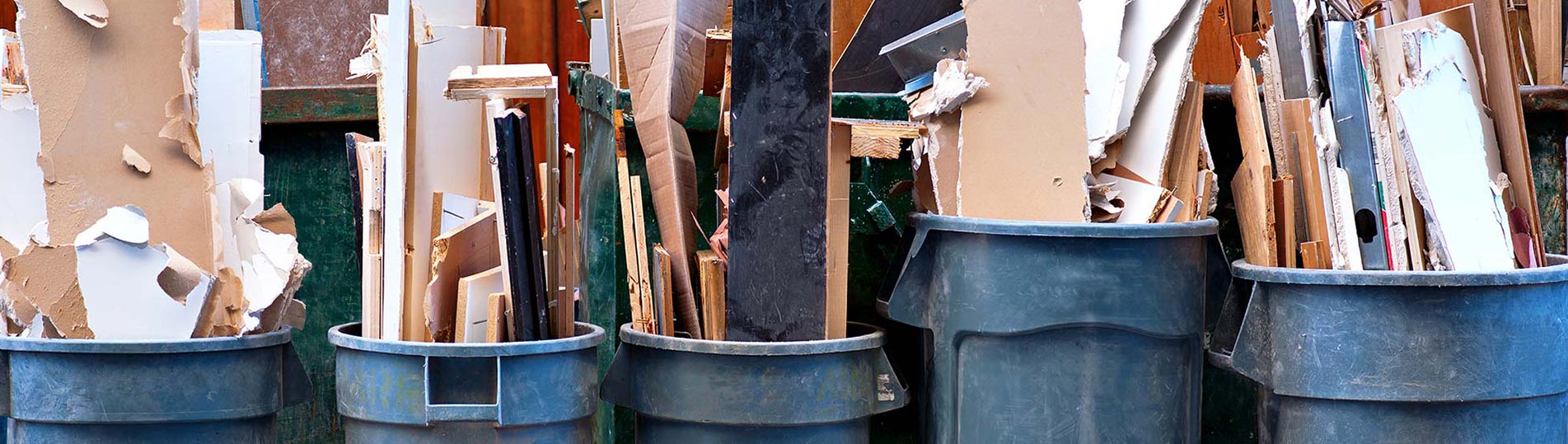
Then there is builders' waste. That is the category that catches people out most often, especially during kitchen refits, bathroom refurbishments, and property updates before sale. Rubble, plasterboard, tiles, timber offcuts, packaging, old fixtures, and fittings generally need a more controlled disposal method than normal domestic waste. If that is your project, take a look at builders waste disposal in Hampstead so you are not trying to improvise halfway through a renovation. Truth be told, nobody wants a half-finished hallway full of broken tile boxes and dust sheets for longer than necessary.
One thing people often overlook is timing. Waste rules are not only about what you put out; they are also about when and how you put it out. Late-night bin placement, overfilled containers, or bags left on a shared pavement can create avoidable problems. In a dense local setting, that matters more than people think.
Key Benefits and Practical Advantages
Following the Camden Council rules properly brings a few obvious benefits, but the less obvious ones are just as important.
- Cleaner kerb appeal: Your property and street look tidier, which matters in Hampstead whether you are living, renting, or selling.
- Fewer missed collections: Correct sorting and presentation reduce the chance of your waste being left behind.
- Less stress during clearances: When you know what goes where, jobs finish faster and feel more organised.
- Lower risk of complaints: Neighbours, tenants, and building managers are far less likely to raise issues when waste is handled neatly.
- Better recycling outcomes: Clean separation of recyclable material helps keep usable waste out of general rubbish.
There is also a practical financial angle, even if people do not talk about it much. Messy disposal tends to create extra work. Extra work tends to create extra cost. It is not always a direct fine; sometimes it is the wasted time, the repeat trip, or the delayed sale or move that really bites. If you are comparing disposal options and want clarity on what different services include, the page on pricing and quotes is a sensible place to start.
For businesses, the benefit is even more immediate. Office tidiness, safe access routes, and predictable waste handling all matter when people are arriving, leaving, or working around tight schedules. If you are clearing desks, chairs, archive material, or general office clutter, a structured approach usually beats ad hoc bin stuffing. You can see how that fits into broader support on office clearance in Hampstead.
Who This Is For and When It Makes Sense
This topic is not just for homeowners with overflowing bins. It is relevant to a much wider group.
- Residents: If you live in a flat, maisonette, or house in Hampstead, you need to know what can be collected normally and what needs separate action.
- Landlords and letting agents: Shared bins, move-out waste, and tenant-generated rubbish can become messy very quickly.
- Home movers: Moving day creates packaging, broken bits, unwanted furniture, and a small mountain of what you thought you had already sorted.
- Renovators: Minor works usually produce more waste than expected, even when you think the job is "just a quick refresh."
- Small businesses: Shops, studios, offices, and hospitality venues need dependable disposal routines to avoid clutter and compliance issues.
- Property sellers: Presentation matters. A clean, tidy property tends to feel calmer and more market-ready.
There are also a few moments when taking rubbish seriously saves real trouble: before inspections, after a tenancy change, during spring clear-outs, after garden work, and after building work. If you have ever stood in a room on a Sunday evening, staring at six bags, two broken shelves, and a chair with one wobbling leg, you already know the feeling. That is usually the point when people decide they need a better system.
For local context and community awareness, some readers also find it useful to browse more Hampstead-specific information such as local views on living in Hampstead or broader area insights like life in Hampstead from parks to pubs. Those pieces are not waste guides, of course, but they do help frame why tidy streets and sensible disposal matter here more than in a less compact area.
Step-by-Step Guidance
If you want a simple, repeatable process, use this.
- Identify the waste type. Separate general rubbish, recycling, food waste, garden waste, bulky items, and construction debris before you do anything else.
- Check whether it fits normal collection. If it is standard household waste in the right container and on the right day, that is usually the easiest route.
- Sort what can be reused or recycled. Cardboard, clean plastics, metals, and some appliances may need different handling from mixed waste.
- Bundle or bag waste properly. Loose waste spills, attracts pests, and causes problems on shared pavements. Simple, but crucial.
- Plan around access. Think about stairs, narrow hallways, parking limits, and lift availability if you live in a flat or manage a building.
- Book a separate removal for non-standard items. Bulky furniture, garden offcuts, and builders' waste often need a dedicated collection route.
- Keep proof or records where needed. For property managers and businesses, a basic paper trail helps show waste was handled responsibly.
That process sounds almost too neat, I know. Real life is messier. A wardrobe does not politely break itself into recyclable sections, and a renovation never seems to finish with "just a few bits." But using a step-by-step approach keeps the job from spreading across the whole week.
If you are dealing with a one-off clear-out, a broader service overview can help you decide which route is most suitable. The page on services overview is useful if you want to compare common options without guessing.
Expert Tips for Better Results
Here is the part that saves people time.
1. Do not wait until the last minute. Rubbish always takes up more space than you expect. If you are planning a move, clear-out, or renovation, begin separating waste early. Even 20 minutes the evening before can make a difference.
2. Use the "bin lid test." If an item is too awkward, heavy, or messy to sit properly in the bin system, it probably needs a separate disposal plan. That small test prevents a lot of bad assumptions.
3. Keep recyclables clean and dry. Food residue and wet cardboard can ruin an otherwise tidy recycling load. It is one of those annoying little details that matters more than it should.
4. Watch shared-space etiquette. In Hampstead, lots of properties share bin areas, pathways, or forecourts. Leave no stray packaging, no torn bags, no mystery pile by the wall. Neighbours remember that stuff.
5. Choose the right disposal route for the job size. A few bags is one thing. A full house clearance is another. If your job is large, compare options early and do not force everything through the same path.
For projects involving furniture, fixtures, or whole-room clear-outs, the article on your rubbish removal needs is a good practical reference point. It helps you think about the job before it turns into a pile of decisions.
And one slightly old-school tip: write the collection date on a piece of paper and stick it near the door or fridge. It sounds simple because it is simple. Yet simple is often what gets forgotten when the week gets busy.
Common Mistakes to Avoid
The biggest errors are usually the boring ones, which is unfortunate because they are the easiest to prevent.
- Mixing too many waste types together: It can make recycling harder and may lead to items being rejected.
- Leaving bags out too early: This can create mess, especially in bad weather or windy weather. Hampstead does get those sharp gusts that seem to appear from nowhere.
- Assuming bulky items are "just extra rubbish": Sofas, beds, and electrical items often need special handling.
- Ignoring access issues: If waste crews cannot safely reach the property or bin area, collections become difficult.
- Overfilling bins: A lid that will not close is a problem waiting to happen.
- Forgetting about neighbours and shared areas: One careless disposal decision can annoy an entire building.
Another mistake is relying on memory. That rarely ends well. If a property has multiple occupiers or tenants, keep the instructions visible and straightforward. A printed note near the bin area can avoid a lot of repeated conversations. Not glamorous, but effective.
For building work, the issue is even sharper. Construction waste dropped into ordinary waste channels creates clutter fast and may put pressure on safe access routes. If you are mid-project, it is worth checking builders waste disposal in Hampstead again before the waste starts leaking into every corner of the room. Happens more often than people like to admit.
Tools, Resources and Recommendations
You do not need a huge toolkit to handle rubbish well. You need a few reliable habits and the right basic items.
- Heavy-duty bin bags: Useful for general waste, but do not overload them.
- Recycling boxes or separate containers: Helpful for separating mixed recyclables before collection day.
- Labels or masking tape: Handy for marking "keep," "donate," "recycle," and "dispose."
- Work gloves: Especially useful during clear-outs, garden work, or when handling dusty items.
- Hand cart or sack truck: A small thing, but brilliant if you are moving awkward items across a courtyard or front path.
As a recommendation, try not to make disposal decisions item by item on the spot. That is how jobs drag on. Sort first, then move. If you are dealing with a larger household or building clearance, the page on waste removal in Hampstead may help you think in terms of the bigger picture rather than just the next bag.
For environmentally aware readers, the sustainability side matters too. Choosing a disposal route that supports recycling and reuse is usually the cleaner long-term choice. You can read more in the site's recycling and sustainability page, which fits naturally with the broader expectation that waste should be handled responsibly, not just quickly.
Law, Compliance, Standards, or Best Practice
Waste disposal in London sits within a wider legal and practical framework, even when the day-to-day experience feels very ordinary. In plain English, that means residents and businesses should dispose of waste in a way that avoids nuisance, supports recycling where required, and uses authorised handling routes for items that cannot simply go into a normal bin.
For householders, the key is to follow the local collection rules and avoid leaving waste in a way that causes obstruction or mess. For landlords and businesses, the bar is a bit higher because duty of care, safe storage, and responsible transfer become more relevant. You do not need to be a legal expert to get this right, but you do need a basic system.
Best practice usually includes:
- separating waste by type before collection;
- keeping bin storage areas clean and accessible;
- avoiding contamination of recycling loads;
- using appropriate disposal routes for bulky, garden, or builders' waste;
- keeping an eye on communal waste arrangements in shared properties;
- choosing insured and professionally run services where a bigger job is involved.
If safety, access, or handling are part of the concern, the page on insurance and safety is worth a look. It fits the common-sense rule that waste work should be safe for people, property, and the street itself. No drama, just sensible practice.
And yes, if you are moving items through stairwells or narrow entrances, care matters. One scrape on a wall can turn a simple clearance into an awkward repair conversation. Nobody enjoys that.
Options, Methods, or Comparison Table
There is more than one way to handle rubbish in Hampstead. The right choice depends on volume, type, timing, and how much effort you want to spend yourself.
| Method | Best for | Pros | Limits |
|---|---|---|---|
| Normal council collection | Routine household rubbish and recycling | Simple, familiar, cost-effective | Not suitable for bulky or mixed clearances |
| Booked bulky waste disposal | Large furniture, mattresses, appliances | Convenient for one-off items | May require advance booking and item preparation |
| Garden waste separation | Leaves, branches, light cuttings | Keeps green waste out of general bins | Heavier or mixed garden material may need more care |
| Dedicated waste removal service | House clearances, office clearances, builders' waste | Fast, flexible, less lifting for you | Usually a paid service, but often worth it for larger jobs |
In real life, people often use a mix of methods. For example, a homeowner may use the normal collection for everyday waste, book a separate route for an old sofa, and arrange a one-off service for leftover renovation material. That combination is often the most efficient approach.
For readers comparing options after a move, during probate, or before putting a property on the market, it can help to explore house clearance and office clearance as separate practical paths rather than treating everything as general waste. Different jobs, different logic.
Case Study or Real-World Example
A typical Hampstead example goes like this. A couple are preparing a flat for sale and, as always seems to happen, they discover the "small clear-out" is not small at all. There are bags of old paperwork, two broken chairs, some shelving, garden waste from a neglected balcony planter, and a few items left by previous tenants that nobody quite claims.
At first, they try to handle everything through the normal bin system. That works for a few bags, then stalls. The chairs do not fit. The shelving is awkward. The garden waste keeps shedding bits on the way down the stairs. By the evening, the hallway is full of things that should have been dealt with days earlier.
Once they separate the waste into categories, the picture improves quickly. Everyday rubbish goes into the usual collection. Recyclables are sorted properly. The garden material is handled separately. The awkward furniture is removed through a dedicated clearance route. The property looks calmer, the agents stop mentioning clutter, and the whole place feels more manageable. Small win, but a real one.
This sort of situation is common before a sale, during a tenancy handover, or after a renovation. If you are in that stage yourself, it may also be helpful to read about selling property in Hampstead or insights for Hampstead buyers, since tidiness and presentation often influence how a place feels on first viewing. Not everything is about waste, but waste does set the mood.
Practical Checklist
Use this before collection day or before arranging a larger removal.
- Have I sorted rubbish, recycling, garden waste, and bulky items separately?
- Do I know what can go into the normal collection and what cannot?
- Are bags tied, containers closed, and items kept dry where possible?
- Have I checked access for bins, lifts, stairs, parking, or loading space?
- Is there any broken furniture, electrical item, or builder's material that needs special handling?
- Have I kept shared areas tidy and free from stray waste?
- Do I need a dedicated clearance service for anything too large or awkward?
- Have I planned enough time so the job does not spill into the next day?
- Is there a clear plan for disposal after a house move, sale, renovation, or garden tidy?
One good habit is to do a quick final walk-through before bin day. Kitchen, hallway, balcony, under-stairs cupboard, shed. You always find one more bag. Always.
Conclusion
Camden Council Rules for Rubbish Disposal in Hampstead are easiest to deal with when you think in categories, not chaos. Once you know the difference between normal household waste, recyclables, garden waste, bulky items, and builders' debris, the whole process becomes much more manageable. That means fewer missed collections, fewer neighbour issues, and far less stress when a move, renovation, or clear-out lands on your already busy week.
The real goal is not perfection. It is a routine that works. A tidy system, a realistic plan, and the right disposal route for the job usually beat last-minute improvisation every time. And honestly, that is a relief.
If your rubbish is piling up faster than you can sort it, or you are dealing with a bigger job that needs a proper plan, the smartest next step is to look at the most appropriate clearance option before the clutter gets any louder.
Get a free quote today and see how much you can save.
Keep things orderly, take it one step at a time, and let the job feel lighter than it looked at the start.

 Tipper Van - Rubbish Removal Prices in Hampstead, NW6
 Luton Van -