Hampstead Heath Rubbish Removal Guide for Residents
Posted on 29/05/2026
If you live near Hampstead Heath, you already know the area has a certain rhythm: morning dog walkers, weekend picnics, narrow streets, and the occasional "where on earth did all this come from?" moment when a cupboard, shed, or flat suddenly needs clearing. This Hampstead Heath Rubbish Removal Guide for Residents is here to make that process feel far less awkward and a lot more manageable.
Whether you are dealing with a single bulky item, a post-renovation mess, garden waste after a busy spring, or a whole flat that needs clearing, the right approach saves time, stress, and unnecessary lifting. It also helps you stay tidy, safe, and considerate of neighbours - which, around here, matters more than people sometimes admit.
Below you'll find a practical, local guide to how rubbish removal works, what to watch out for, how to compare options, and when a professional service makes more sense than trying to do everything yourself. If you want a broader view of available services, the services overview is a helpful place to start, and if you already know you need support, you can also explore your rubbish removal needs.

Why Hampstead Heath Rubbish Removal Guide for Residents Matters
Rubbish removal around Hampstead Heath is not just about getting rid of clutter. It affects how your home feels, how safely you can move through it, and how smoothly your week runs. In a neighbourhood where homes can be compact, access can be tight, and parking can be inconvenient, even a small pile of waste can become a bigger job than expected.
There is also the simple reality that delays create friction. Old furniture ends up in hallways. Broken items linger in gardens. Bags stack up in basements. Then suddenly the task becomes more stressful than the original problem. Truth be told, most people do not need more rubbish; they need a clean plan.
For local residents, the guide matters because it helps you make better decisions about timing, disposal method, access, and cost. It can also help you avoid the common mismatch between what you need removed and the service you book. That mismatch is where time and money tend to disappear.
There's another side to it too. Responsible rubbish removal supports a cleaner local environment and reduces the chance of fly-tipping or unsafe storage. If you care about sustainability, the recycling and sustainability page explains the broader approach behind responsible disposal. That matters to a lot of residents, especially in an area where people notice how streets and shared spaces are kept.
Key takeaway: good rubbish removal is not only about speed. It is about choosing a tidy, safe, lawful, and realistic way to clear what you no longer need without creating a second problem.
How Hampstead Heath Rubbish Removal Guide for Residents Works
At a practical level, rubbish removal usually follows a fairly simple pattern: identify what needs to go, check what can and cannot be taken, agree access and timing, and arrange collection. The details matter, though. Flats above ground floor, shared entrances, narrow roads, and garden access can all change how a job is handled.
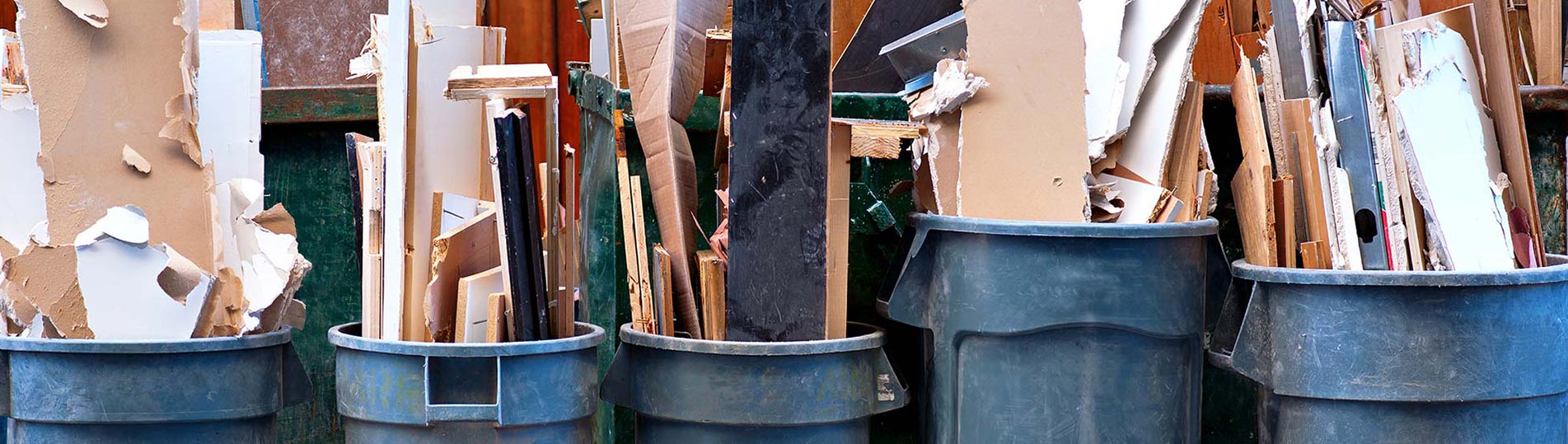
For most residents, the process starts with a quick assessment. Are you clearing mixed household junk, a few bulky items, a garden pile, or something more involved like post-renovation debris? If the load includes construction materials, the rules and handling can differ, which is why a dedicated option such as builders waste disposal in Hampstead can be more suitable than a general clearance.
Once the type of waste is clear, the next step is usually quotation. A reliable service will want enough detail to estimate labour, vehicle space, and any special handling. Photos help. So does a simple list. If you are unsure how pricing is worked out, take a look at pricing and quotes before you decide.
Collection itself should be straightforward. The crew arrives, confirms the load, removes the items, and leaves the area swept or at least much tidier than they found it. That last part sounds small, but on a wet Hampstead afternoon, a cleared path and a clean doorstep make a difference.
Depending on the situation, the job might be a one-off clearance, a room-by-room sort-out, or a more specific service such as a house clearance in Hampstead, garden waste removal, or even office clearance. In other words, the right route depends on the waste, not just the postcode.
Key Benefits and Practical Advantages
The main benefit is obvious: you get your space back. But the practical advantages go further than that.
- Less lifting and strain: bulky furniture, broken appliances, and awkward bags are no joke when you are carrying them down stairs or around tight corners.
- Faster turnaround: a planned collection can clear a job in one visit rather than several trips to a disposal site.
- Better space planning: once clutter is gone, rooms become useful again. A spare room becomes a study. A shed becomes a shed, not a mystery archive.
- Cleaner presentation: this matters if you are selling, renting, or preparing for guests.
- More responsible disposal: reusable and recyclable materials can often be separated properly instead of being treated as mixed rubbish.
There is also a mental benefit people underestimate. Clutter wears you down. You stop noticing it, then one day you realise it has been quietly bothering you for months. Getting rid of it can feel surprisingly relieving. Not dramatic, just better. Calmer.
For homeowners and landlords, that benefit can turn into something more practical: a better first impression. If you are preparing a property for the market, the related articles on selling in Hampstead and buying in Hampstead show how presentation and timing can affect the process.
Who This Is For and When It Makes Sense
This guide is for residents who want a cleaner, simpler, more organised way to deal with unwanted items. That includes:
- people moving home and sorting through accumulated belongings
- landlords between tenancies
- families clearing a loft, garage, or basement
- garden owners dealing with branches, soil, and green waste
- homeowners after decorating or light building work
- small businesses working from converted spaces or local offices
- anyone who simply does not have the time or capacity to move waste themselves
It makes sense when the job is larger than your vehicle, heavier than your back would like, or too messy to keep putting off. It also makes sense when you want the waste handled properly and you do not want to spend a Saturday wrestling with bags in the boot of the car. Let's face it, that is rarely anyone's idea of a fun day.
For people living close to the Heath, timing can matter too. A lot of residents prefer collections that fit around work, school runs, or weekend plans. If you are planning a celebration or hosting guests, the local lifestyle articles on Hampstead celebration venues and life in Hampstead capture that local feel nicely.
There is one more group worth mentioning: sellers. A tidy property photographs better, shows better, and feels more open. If that applies to you, you may also find the perspective in local opinions on living in Hampstead helpful when thinking about what creates a good impression.
Step-by-Step Guidance
If you want the process to go smoothly, break it down. Rubbish removal becomes much easier when you treat it like a small project rather than one big vague chore.
- Sort the items by type. Separate general household junk, reusable items, green waste, and heavier material like rubble or timber. Even a rough sort helps.
- Decide what really needs to go. Be ruthless, but sensible. If you are not sure about an item, ask whether you have used it in the last year. A surprising number of things fail that test.
- Check access. Measure doorways if the item is bulky. Think about stairs, parking, and whether the crew can reach the collection point easily.
- Take a few clear photos. Good pictures make quoting easier and reduce surprises on the day.
- Ask about waste type and handling. Different materials may need different disposal routes. This is especially true for mixed loads or construction waste.
- Choose a time that works. Aim for a slot when you can answer questions and let the crew in without rush.
- Set aside anything you are keeping. It sounds obvious, but items often get mixed into "go" piles by mistake. Happens all the time.
- Confirm payment, process, and any conditions in advance. You want clarity before the van arrives, not after.
A small real-world example: if you are clearing a garden shed, do not just pile everything together at the last minute. Put old plant pots, broken tools, and branches into separate stacks. The job moves quicker, and you are less likely to lose a useful item in the shuffle.
If the work involves a lot of green waste, you may want a more specific service path such as garden waste removal in Hampstead. That tends to be neater and more efficient than treating everything as one mixed load.
Expert Tips for Better Results
After plenty of local clearances, a few habits stand out. They are simple, but they save headaches.
- Photograph access points as well as the waste. A narrow stairwell or awkward driveway can matter more than the items themselves.
- Bundle similar items together. Mattresses, wood, cardboard, and garden waste each behave differently on collection day.
- Keep hazardous or restricted items separate. Do not mix them into a general pile and hope for the best.
- Book before clutter becomes urgent. An organised job is usually easier than a panicked one.
- Leave a clear path. A few minutes of prep at the front door can save a lot of time later.
- Think about recycling first. Reuse and recycling are often the smarter route, and they can reduce what needs to be handled as residual waste.
One thing people sometimes overlook is noise and neighbour impact. If your road is quiet, or your building shares walls, it is worth choosing a time that keeps disruption low. Early evening collections can feel intrusive; mid-morning is often calmer. Not a hard rule, just common sense.
If you want reassurance about how a company handles safe working and safeguarding around properties, the insurance and safety page is worth a look before you book.
Common Mistakes to Avoid
Some of the biggest headaches in rubbish removal come from small avoidable mistakes. The good news? Most of them are easy to sidestep.
- Underestimating volume: a pile that looks tiny in the corner can fill far more space than you expect once loaded.
- Not checking what is included: some jobs need specific handling for bulky, heavy, or mixed waste.
- Leaving sorting until collection day: this slows everything down and can create confusion.
- Ignoring access issues: steep stairs, locked gates, and parking restrictions matter.
- Mixing keep and remove piles: this is how useful things vanish into the wrong stack. A classic.
- Choosing the cheapest option without checking standards: a low quote is not much use if the service is unreliable or unclear.
Another mistake is waiting too long when the waste is already affecting daily life. If you are stepping around bags every morning or avoiding a room altogether, it has probably crossed the line from "I'll sort it later" to "this should be handled properly."
And do not forget paperwork or access permissions in shared buildings. If you live in a managed property, it is a sensible idea to check any building rules before booking. Small detail, big difference.
Tools, Resources and Recommendations
You do not need fancy equipment to organise a good clearance. A few practical tools and habits are enough.
- Strong bags or boxes: useful for sorting smaller items before collection.
- Marker pen and labels: simple, but very helpful when you are separating keep, donate, and remove piles.
- Measuring tape: handy for checking bulky items against doorways and stair gaps.
- Phone camera: ideal for quoting and keeping a record of what was there before the job.
- Gloves and basic protective kit: especially useful if you are moving anything dusty, sharp, or dirty.
From a service perspective, it helps to use a provider with clearly explained service options. The waste removal in Hampstead page can help you understand the general scope of support, while rubbish clearance in Hampstead is useful if you want a broader picture of what a full clearance can involve.
If you are comparing methods, it also helps to look at how the company talks about sustainability, safety, and transparency. Those are not just nice words. They tell you how the operation is likely to run on the day.
Law, Compliance, Standards, or Best Practice
Waste disposal in the UK is not something to treat casually. While you do not need to become a legal expert to book a collection, it is wise to understand the basics.
Best practice means waste should be handled by a provider that can manage it responsibly, keep records where required, and dispose of items through appropriate routes rather than dumping them. You should also be careful with anything that could be hazardous, sharp, or restricted. That includes materials that may require special handling beyond a normal household clearance.
For residents, the key practical point is this: do not hand waste to someone who seems vague about where it goes. Ask simple questions. How is the load sorted? What happens to recyclable materials? Are there any items they cannot take? Straight answers are a good sign.
If you want a sense of how a company approaches trust, data, and customer handling, the supporting pages on terms and conditions, payment and security, and privacy policy can help you understand the wider standards behind the service. That may sound a bit dry, but it matters when you are inviting people onto your property and paying for a service.
Compliance also includes simple common-sense etiquette. Keep access clear. Tell the team about any fragile areas. Make sure pets and children are out of the way. Small things, but they help the job go smoothly and safely.
Options, Methods, or Comparison Table
Residents usually have three main options: do it yourself, book a man-and-van style collection, or arrange a fuller clearance service. The right choice depends on volume, access, time, and how physically demanding the job is.
| Method | Best for | Pros | Trade-offs |
|---|---|---|---|
| DIY disposal | Very small loads, a few bags, light items | Flexible, no booking needed, direct control | Time-consuming, lifting required, transport and access issues |
| Man-and-van collection | Medium loads, bulky items, mixed household waste | Convenient, quicker than multiple trips, labour included | Needs accurate volume estimate, access details matter |
| Full clearance service | House clearances, large declutters, post-move cleanouts | Most complete option, less effort, better for bigger jobs | Usually more involved, may need more preparation |
For many Hampstead Heath residents, the middle option is the sweet spot. It is straightforward enough for normal household clear-outs but flexible enough to handle awkward stairs, furniture, and bagged waste. If you are clearing a whole property, though, a dedicated house clearance is often the calmer choice.
And if your project has a renovation angle, again, builders waste should usually be handled separately. Mixing plasterboard, timber, packaging, and old fittings into one vague pile is where jobs become slower and messier. No one wants that.
Case Study or Real-World Example
Here is a realistic scenario. A resident living near the Heath decides to clear a two-bedroom flat before a repaint and a possible sale. Over time, the flat has collected a broken bedside table, an old armchair, several bags of clothing, a pile of cardboard, and a few damp gardening items stored on a balcony. Nothing dramatic. Just enough to feel cluttered every time the door opens.
Instead of trying to do everything with a small car and a long day, the resident sorts the waste into three groups: keep, donate, remove. They take a few photos, check the building access rules, and book a collection slot that avoids school-run traffic. The team arrives, confirms the load, removes the items, and leaves the hallway clear.
The practical difference is immediate. The rooms look bigger. The painter can move more easily. The property feels ready again. Not perfect, not glossy, just ready.
This kind of job is common around Hampstead because the housing mix varies so much. Some places have easy ground-floor access; others have narrow stairwells, shared entries, and not much room to manoeuvre. A service that understands that local reality tends to make the whole process feel less like a battle and more like a plan.
If you are reading this as someone preparing to move, the article on real estate selling in Hampstead can give useful context on why presentation matters so much.
Practical Checklist
Before collection day, run through this checklist. It keeps things simple.
- Identify all items that need to go
- Separate anything you want to keep
- Check whether the waste is household, garden, or builders material
- Measure bulky items and note access issues
- Take a few clear photos for quoting
- Confirm the collection time and location
- Make sure parking or entry arrangements are workable
- Keep pets, children, and fragile items out of the way
- Ask about recycling, special items, and exclusions
- Prepare payment and any building or landlord permissions if needed
Quick summary: the smoother your preparation, the quicker the job usually runs. A bit of planning saves a surprising amount of time, and honestly, a lot of irritation too.
Conclusion
Rubbish removal around Hampstead Heath works best when it is treated as a practical household task, not a last-minute scramble. Once you know what needs removing, what type of waste you have, and how access will work, the rest becomes much simpler. That is really the heart of this guide.
For residents, the smartest approach is usually the one that balances convenience, proper handling, and clarity on cost. Whether you need a one-off collection, garden clearance, or help with a larger property cleanout, a well-planned service saves time and keeps your home feeling more manageable.
If you are comparing options, it may also help to explore the company's about us page so you can understand who is handling your waste and what kind of standards they work to. And if you want to look at the service in a broader context, the services overview is a sensible next stop.
Get a free quote today and see how much you can save.
And if all you do today is clear one awkward corner of the house, that still counts. Small wins add up. They really do.

 Tipper Van - Rubbish Removal Prices in Hampstead, NW6
 Luton Van -